MYTH II · SOULBLIGHTER · FIELDWORK

Maps, units, and evidence you can follow.

A practical home for map-making, tag and map-action research, unit reconstruction, and the local tools that make hard questions testable.

MAP SYSTEMSUNIT STUDIESENGINE RESEARCH
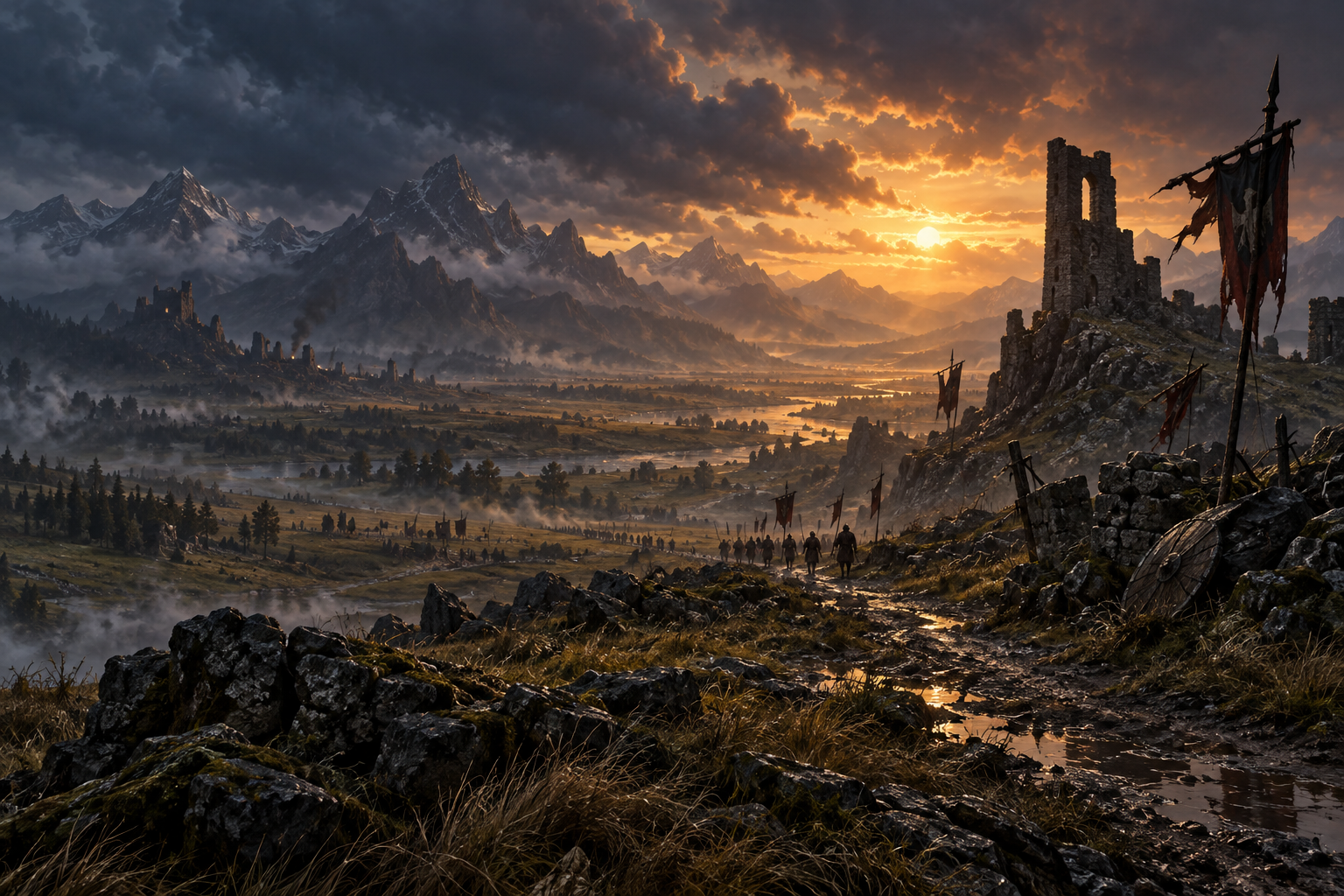
Illustrative Soulblighter-inspired battlefield at sunset
Illustrative field vision · atmosphere is separate from verified game data

TERRA · PUBLIC BETA

Build your own Myth II map pack.

Generate multiplayer maps, choose armies, and combine completed maps into one plugin. Windows beta, tutorial and sample pack included.

Experimental testing release; known map-family and runtime limitations remain. Read the beta notes before downloading.

Download Terra & watch the tutorial ↗

START HERE

Source, test, then explain.

The tutorial turns hard engine questions into plain-language lessons. The workbench records the file, experiment, result, and remaining unknown, rather than presenting a confident guess.

Local editor acceptance is not the same as Myth runtime proof. Runtime claims stay gated until a disposable save/reopen and in-game check exists.

CURRENT WORKBENCH

One change at a time.

The unit-placement lab uses a known-working map and isolates one variable per save. That keeps binary differences useful and recoverable.

Browse the tutorial ↗

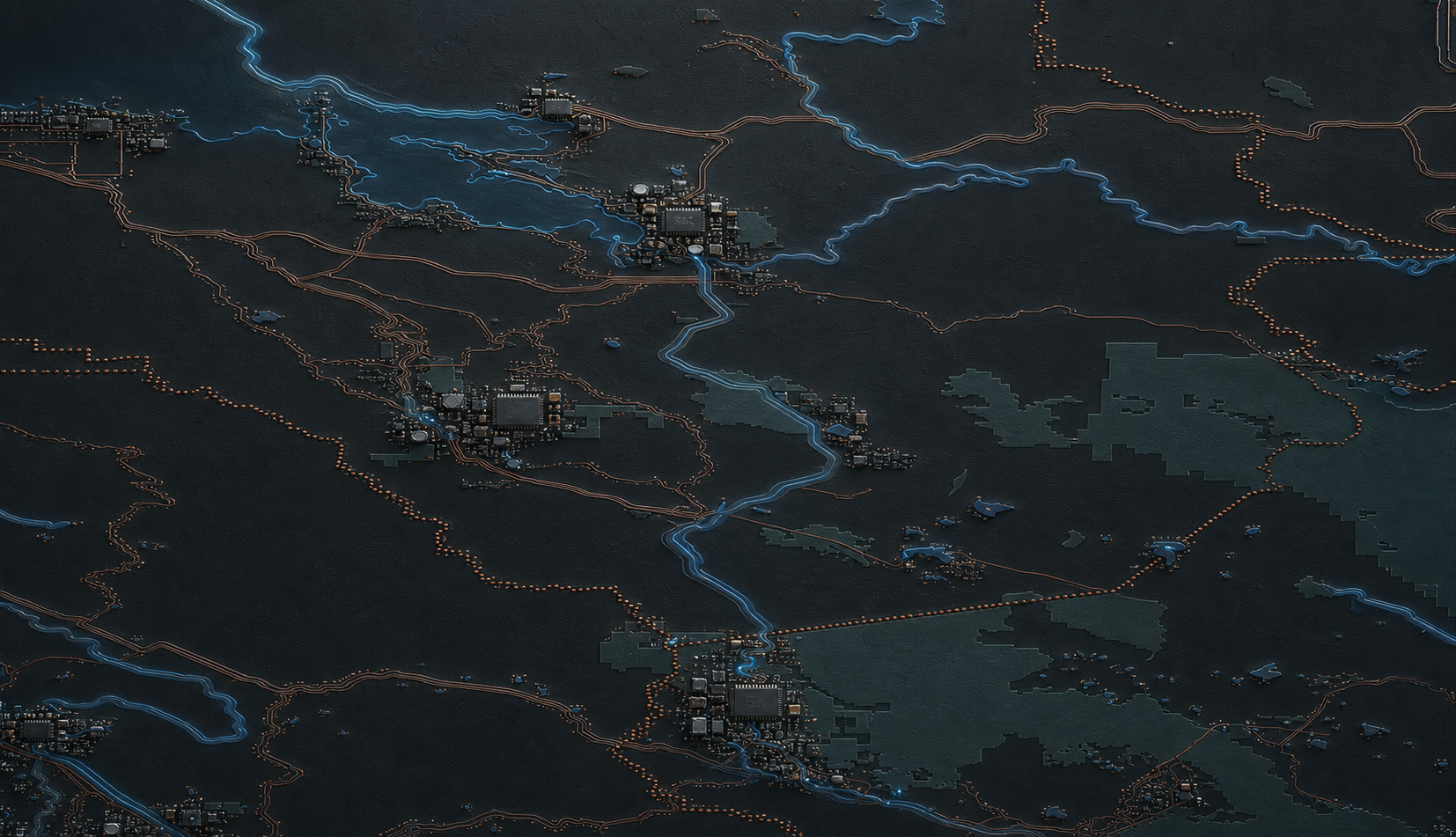
Circuit interpretation of Myth II map geometry

MAP SYSTEMS

Map-making as visual language

Terrain, roads, waterways, and nodes become a readable technical composition. The circuit view is labeled as an interpretation; source geometry remains the authority.

Research · technical art · interactive presentation
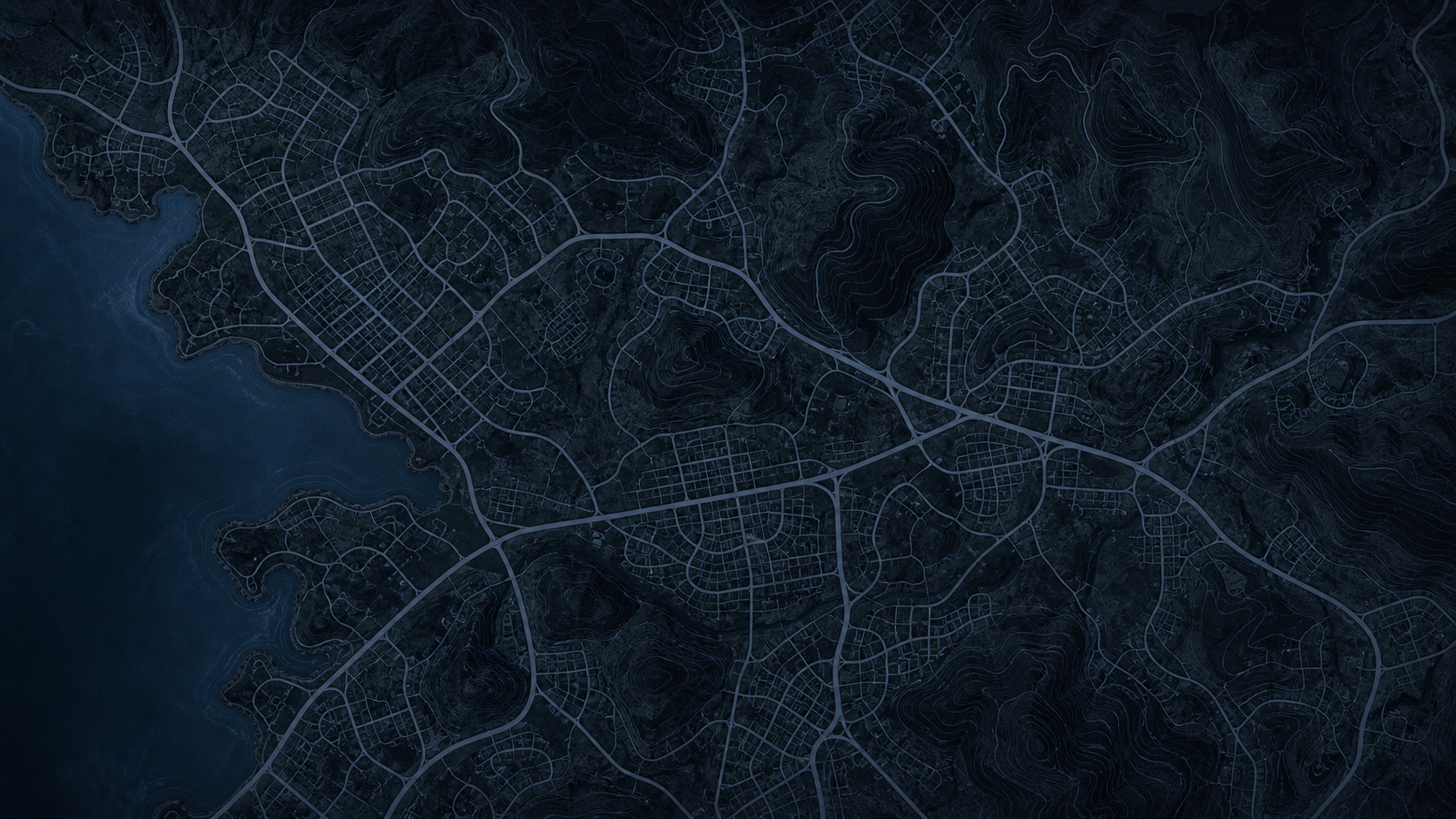

Street-map reference artwork

REFERENCE

Factual structure first

Verified fields, tags, and dependencies stay distinct from decorative atmosphere and AI-assisted illustration.

Hidden-world visual experiment

EXPERIMENT

Reveal the second world

Interactive presentation can make a technical relationship easier to see without pretending the artwork is engine data.

VERA-SUPPLIED REFERENCE ART

Unit studies from the field.

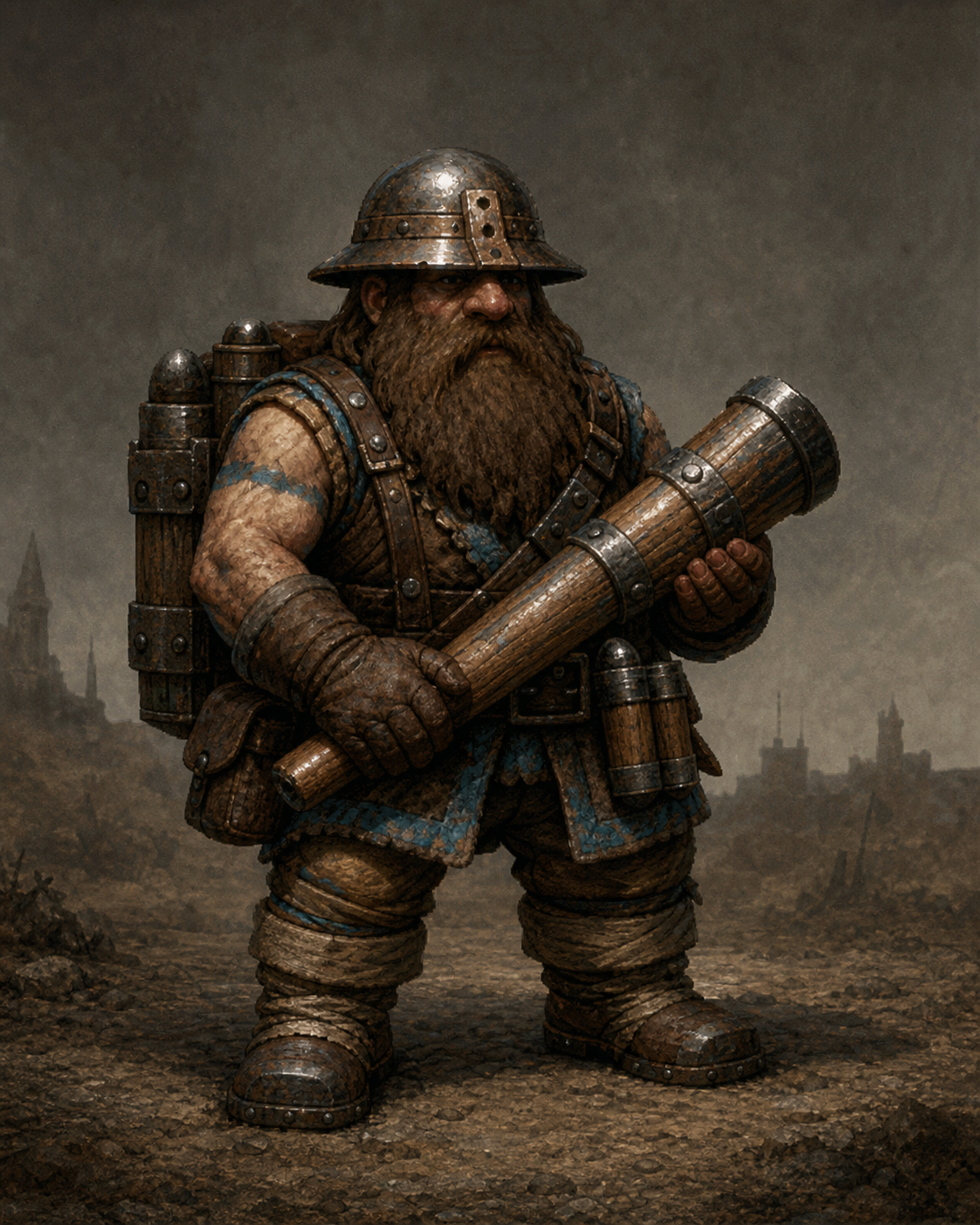
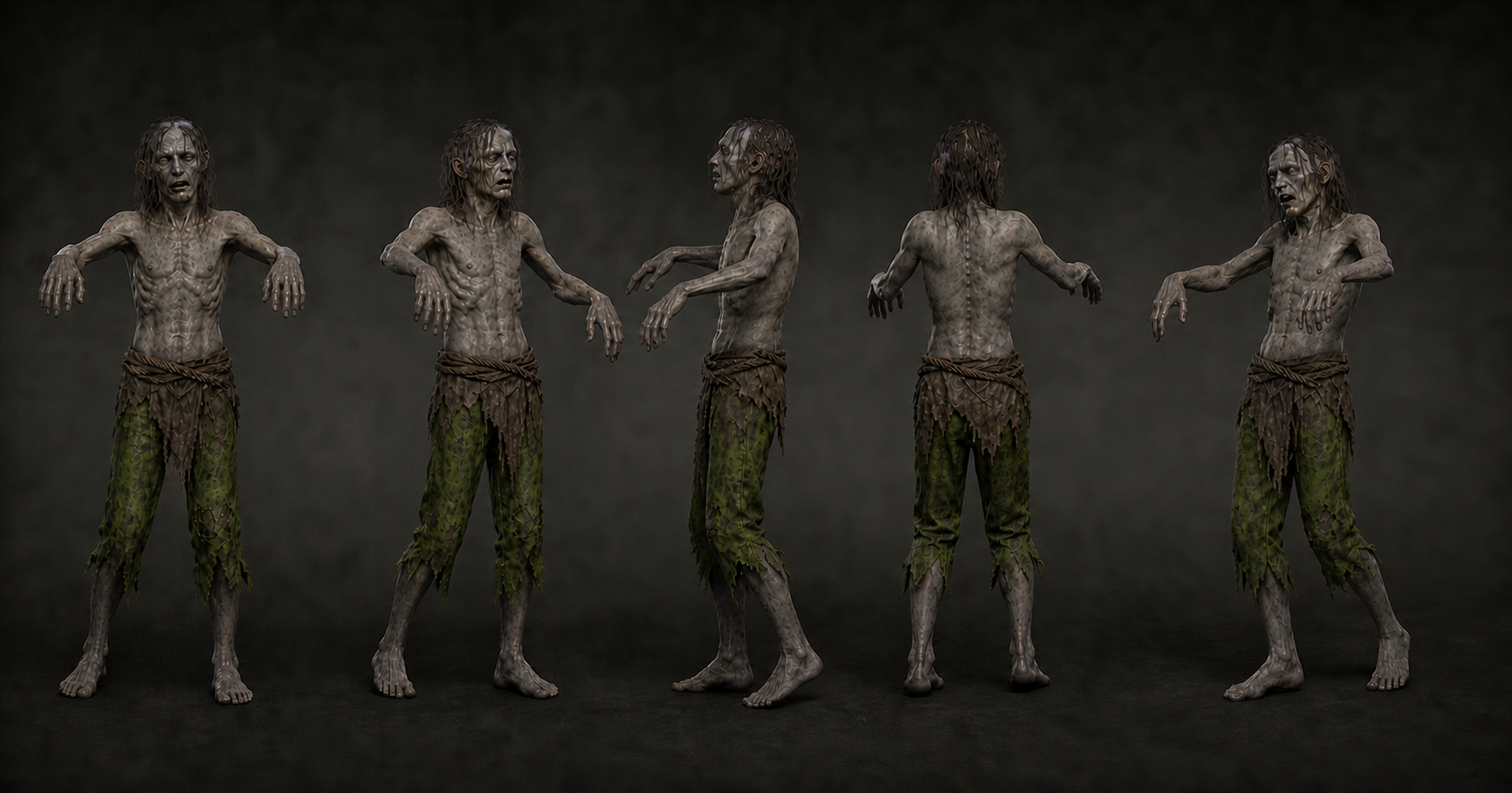
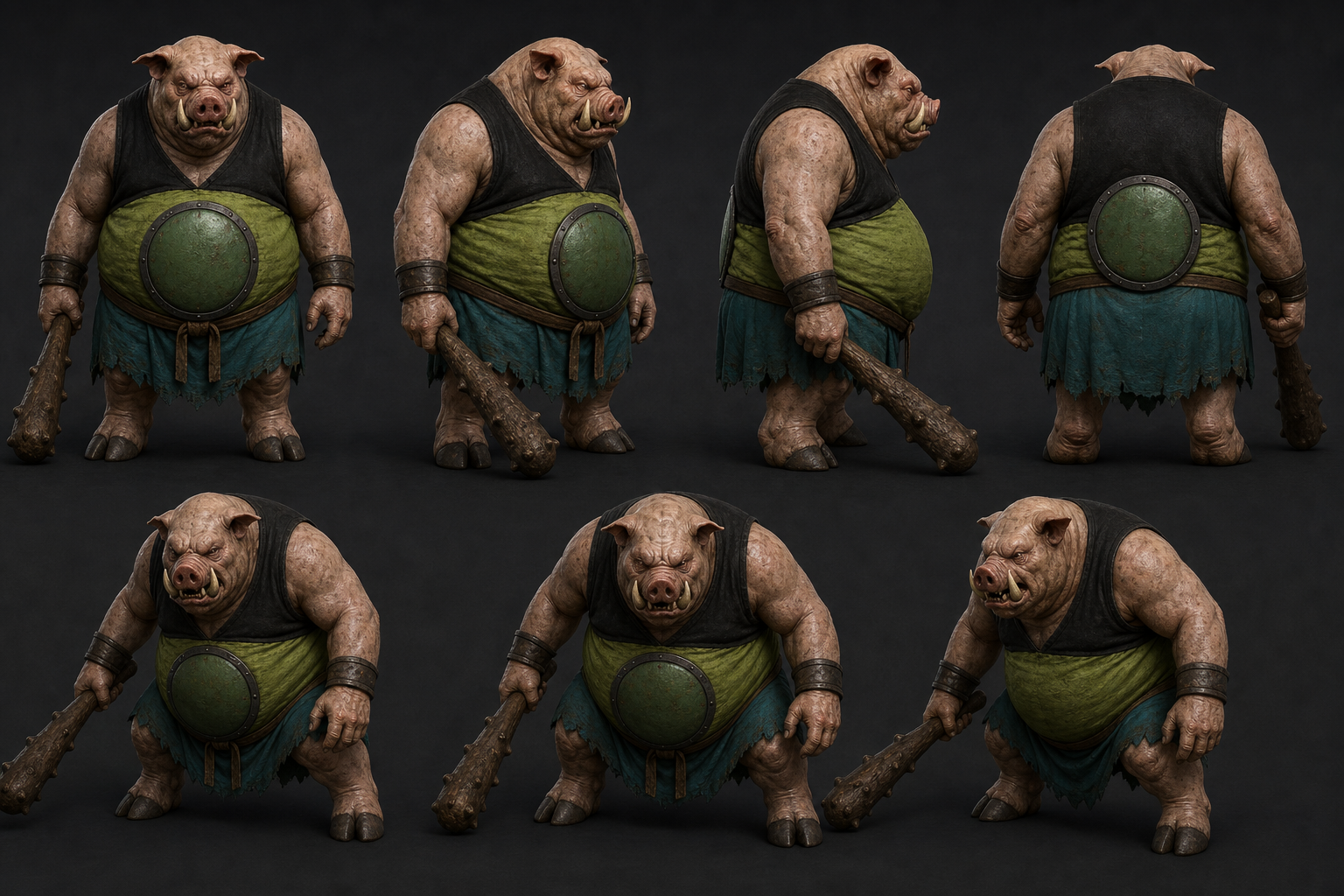
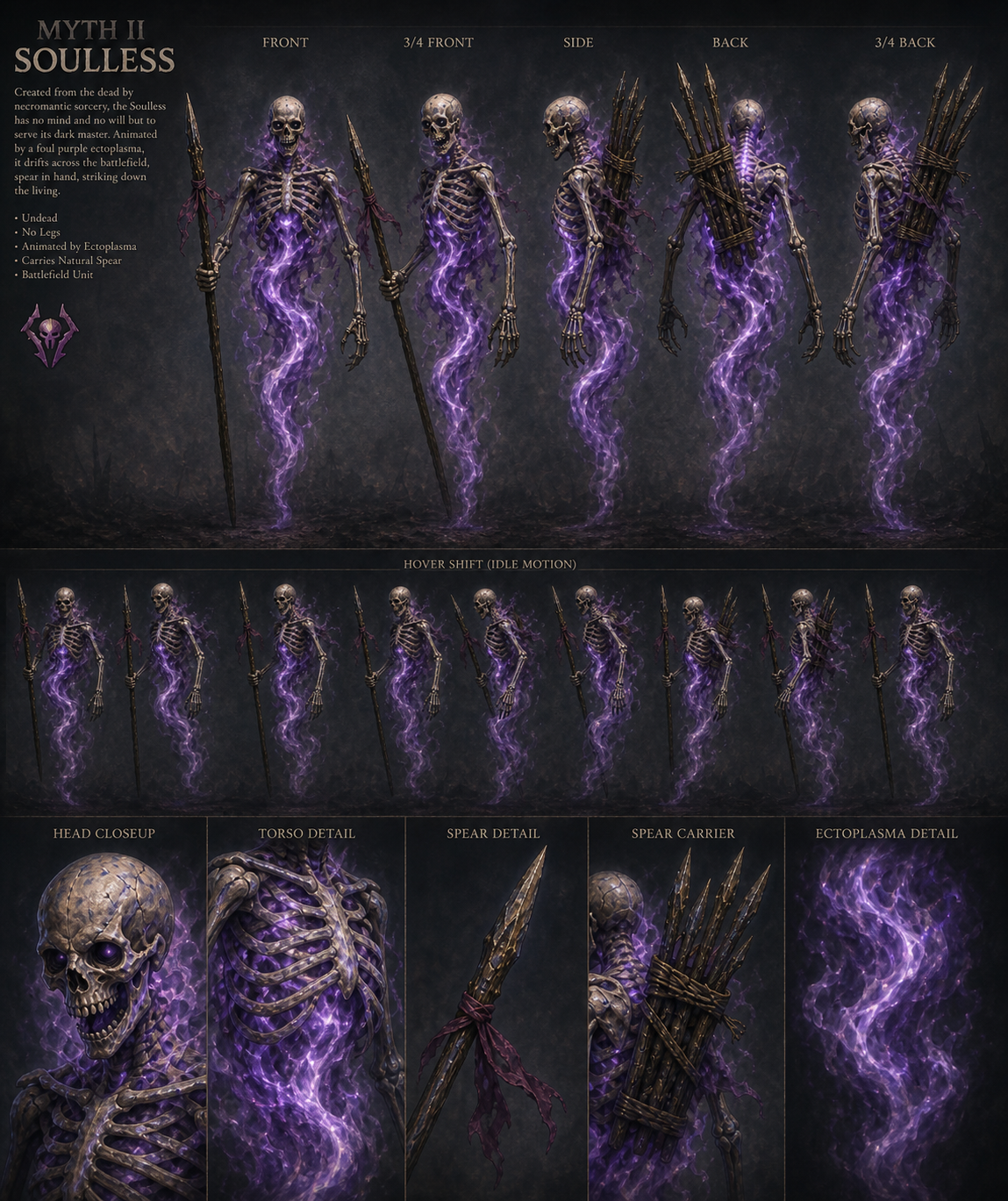
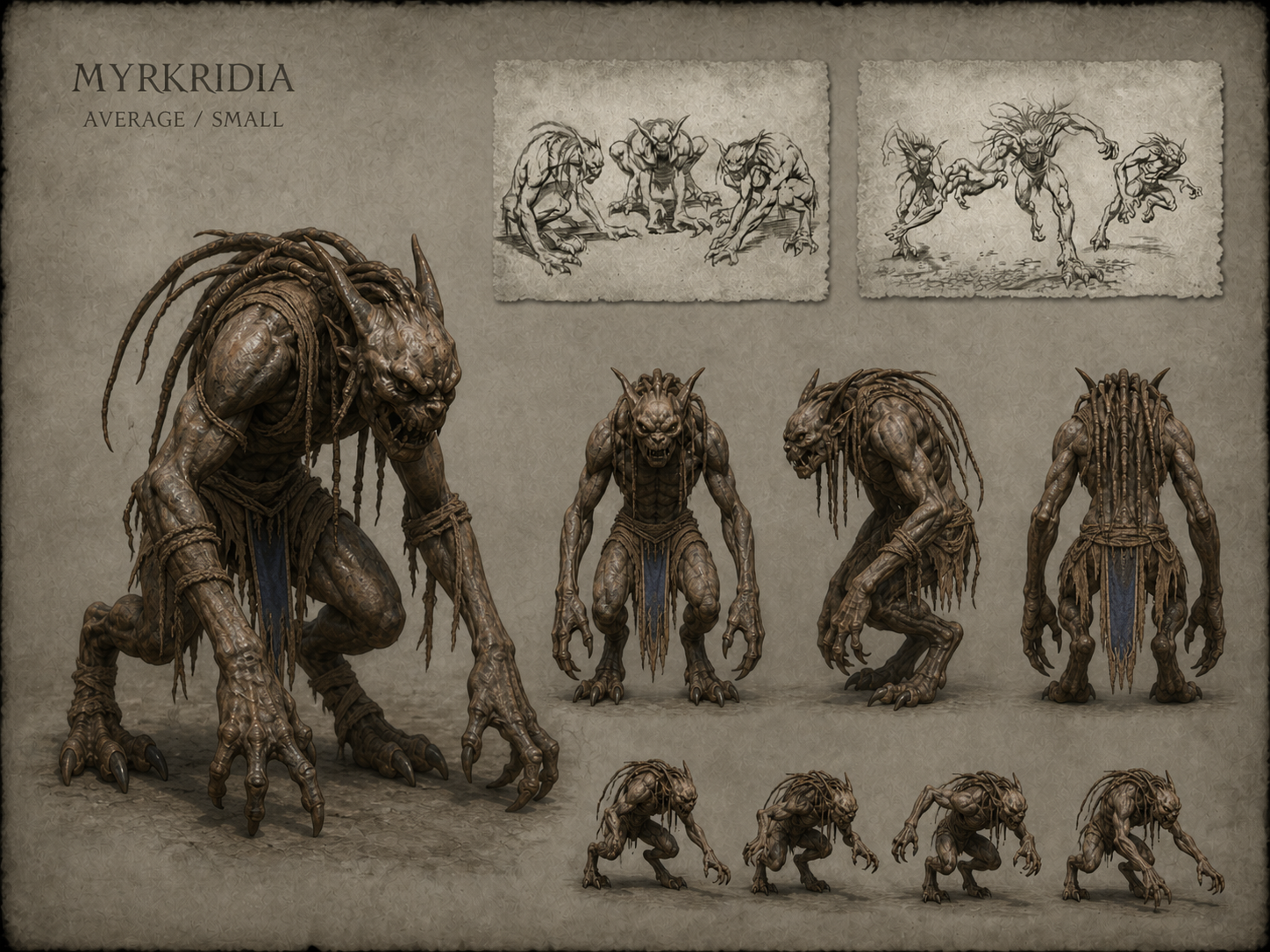
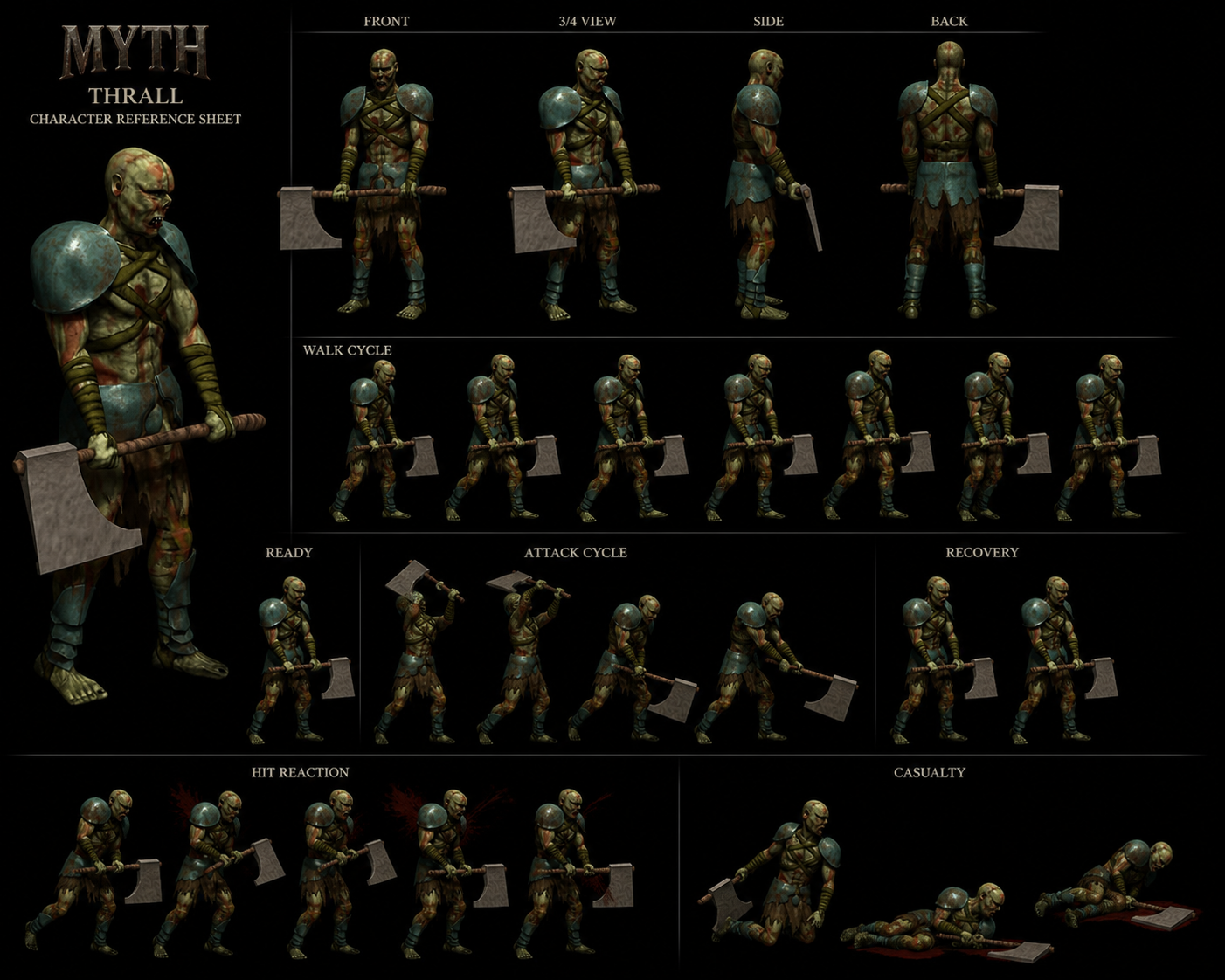
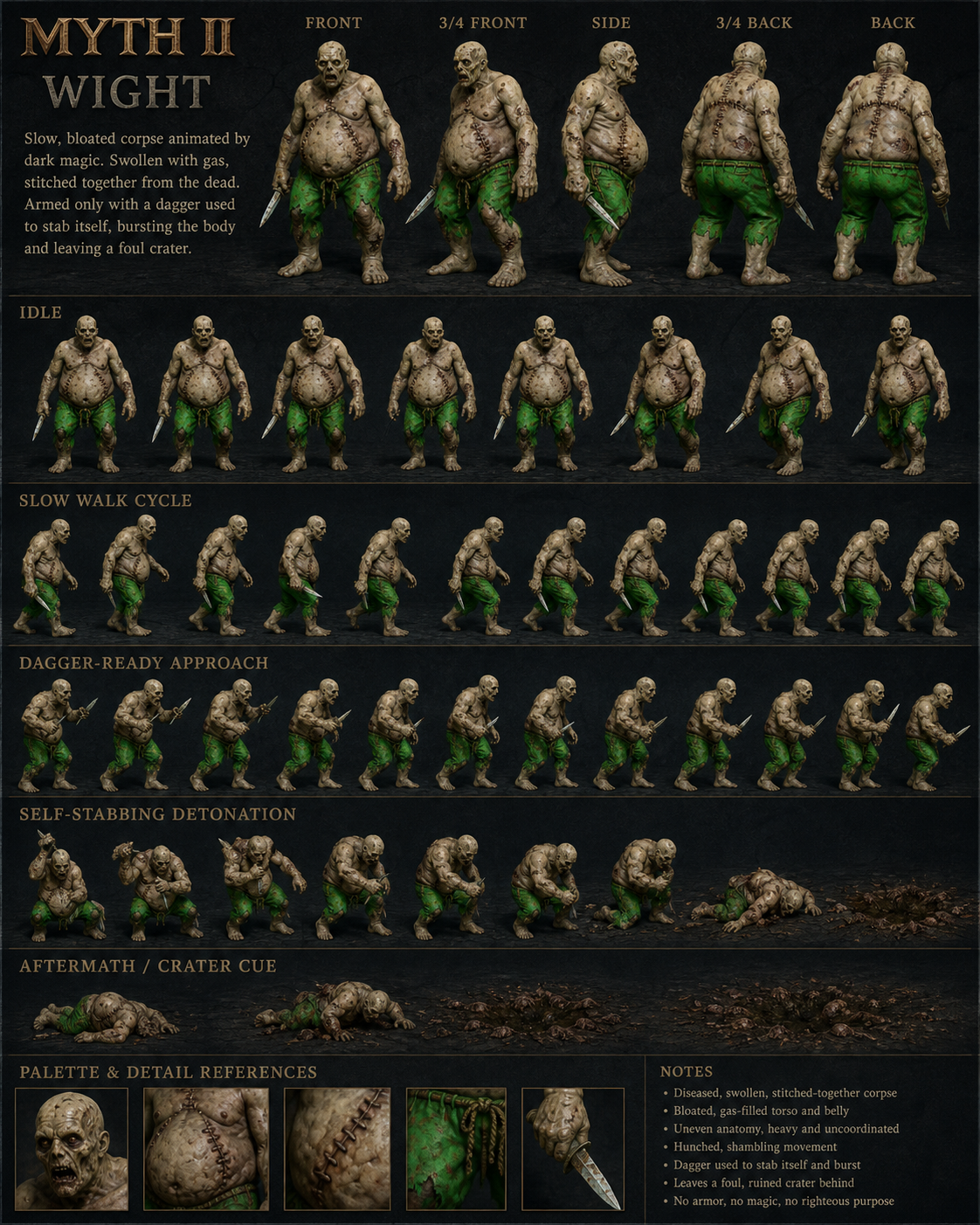
These are AI-assisted visual studies supplied by Vera for presentation and reference. They are not official sprites or a claim of canonical game renders. Labels below follow the visible subjects and headings in the supplied plates.

Vera-supplied Dwarf study

Dwarf

Explosive bottles and satchel charges · four by default, up to nine carried

Unlabeled Vera reanimated-undead study, cataloged provisionally as Ghast

Ghast (provisional visual match)

The supplied sheet has no printed title; cataloged provisionally as the nimble reanimated undead whose touch can stun.

Vera-supplied Maul study

Maul

Armored Blind Steppes brute · slow, durable, club-bearing

Vera plate explicitly titled Soulless

Soulless

Plate title: SOULLESS · floating undead with toxin-coated javelins

Vera plate explicitly titled Myrkridia

Myrk · Myrkridia

Plate title: MYRKRIDIA · catalog short label “Myrk”

Vera plate explicitly titled Myth Thrall

Thrall

Plate title: MYTH THRALL · slow, resilient reanimated human corpses armed with axes

Vera plate explicitly titled Myth II Wight

Wight

Plate title: MYTH II WIGHT · gas-filled stitched corpse that detonates

PLACEMENT LAB · LOCAL

P000 to P004

Use any known-working Myth II map. Place one Dwarf, then save a copy after exactly one change. Upload the resulting mesh files for bounded binary diffing.

P000
BASE
P001
MOVE X
P002
MOVE Y
P003
ROTATE
P004
TEAM

Target fields: X/Y position, facing, team, and eventually unit/tag reference. A fresh map is optional; a known-working map is preferred.

SCOUT NOTES · DEFAULTS

Controls worth checking.

  • Y team chat
  • Shift + Y all-player yell
  • Enter send message
  • Hold Up Arrow for recent messages
  • F8 in-game key list
  • Click, drag, double-click, or Shift-click to select units
  • Click ground to move; click enemy to attack

These are documented defaults, not immutable bindings. Confirm the active setup in-game.

WHAT IS BEING BUILT

A connected Myth II toolkit.

Reference notes explain the engine in plain language. The workbench turns that knowledge into file checks, map-action analysis, projectile-chain inspection, source manifests, and reusable reports.

STATUS

Field Archive
Public preview available

Developer Workbench
Local-first beta; review results before publishing

Knowledge update
Read the evidence log ↗

Report something unclear